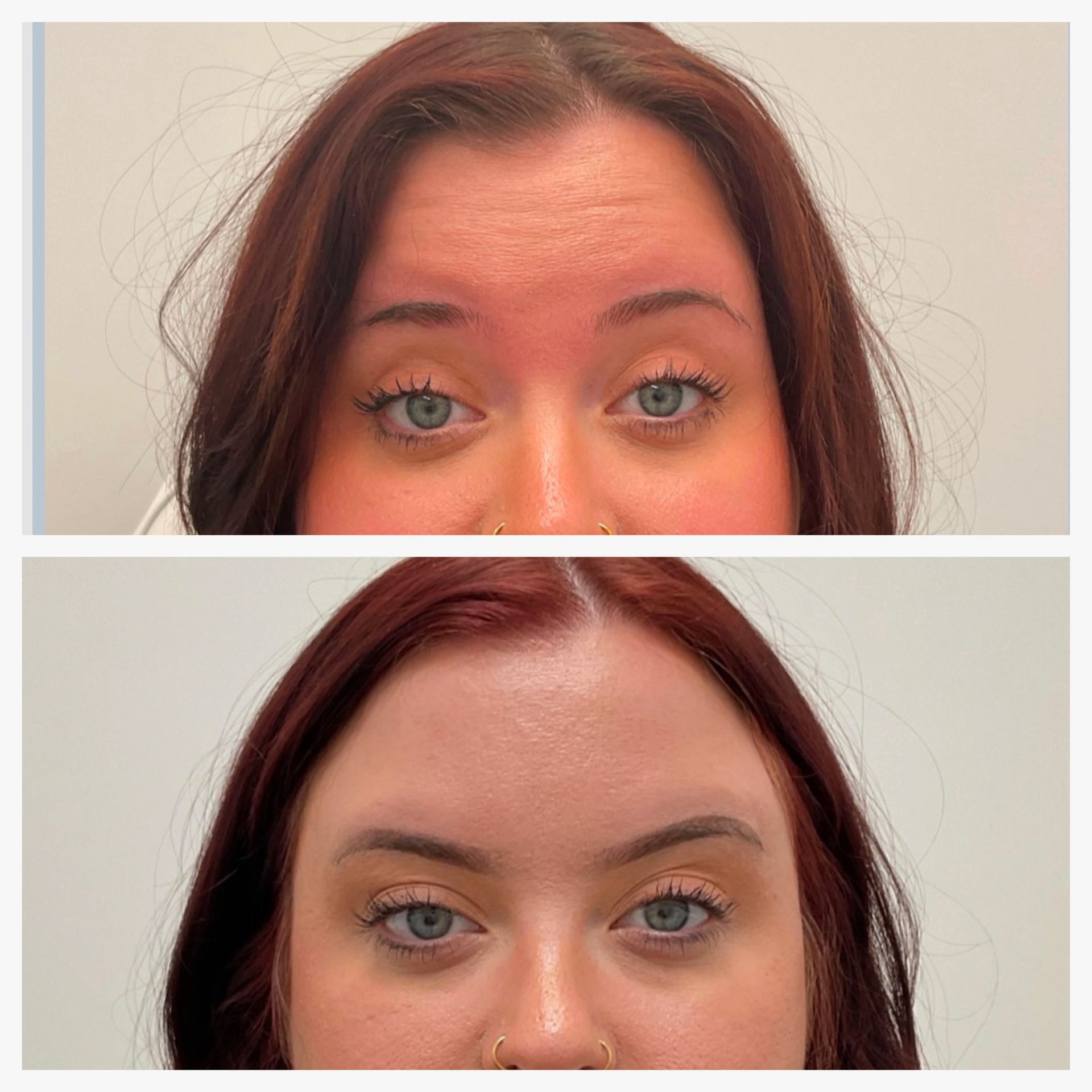
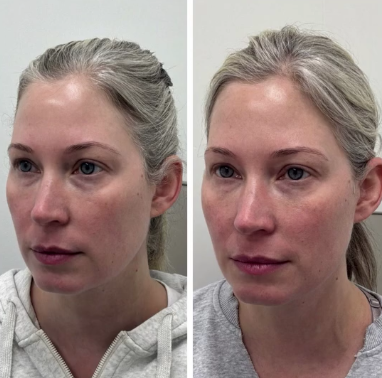
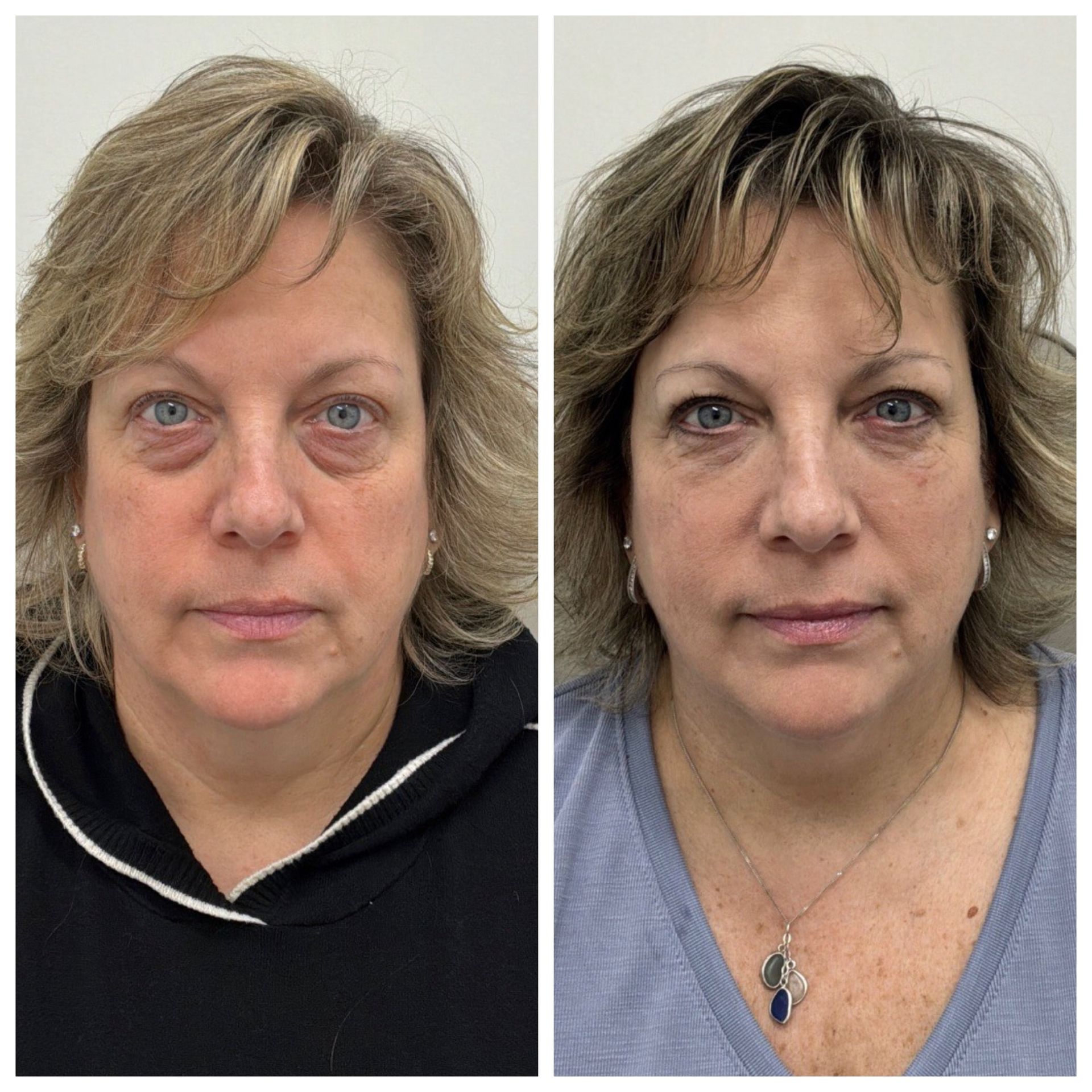
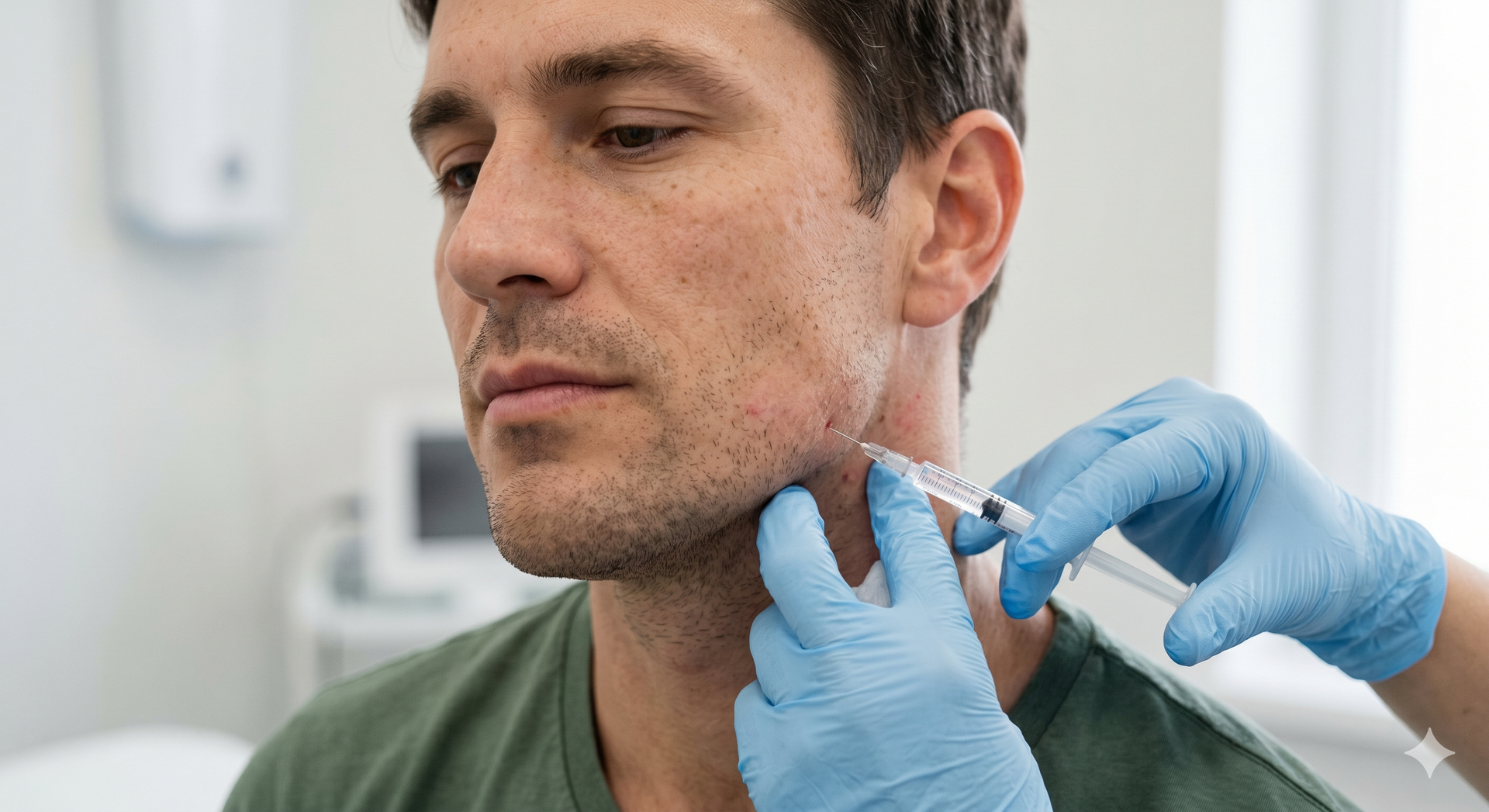
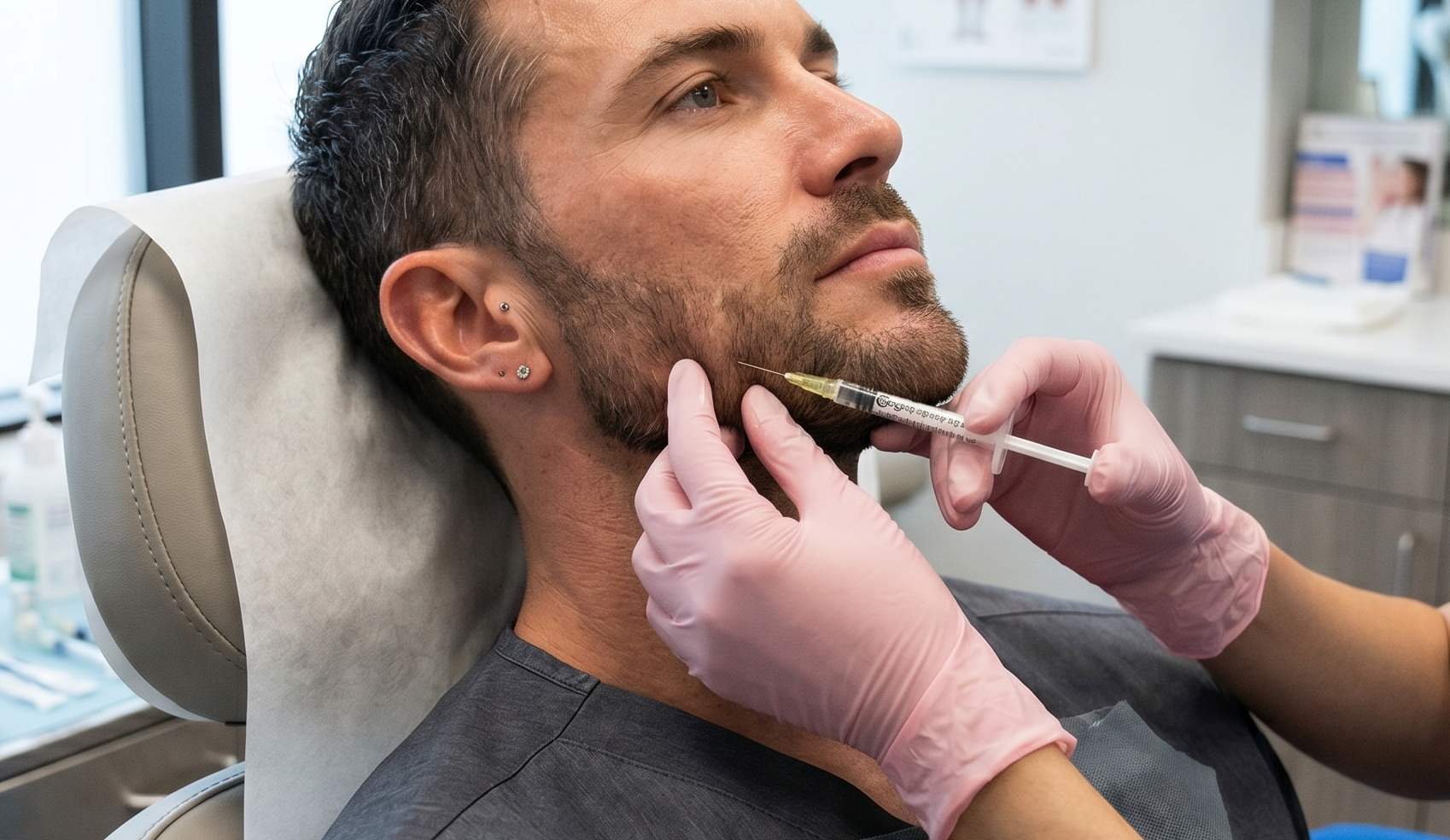
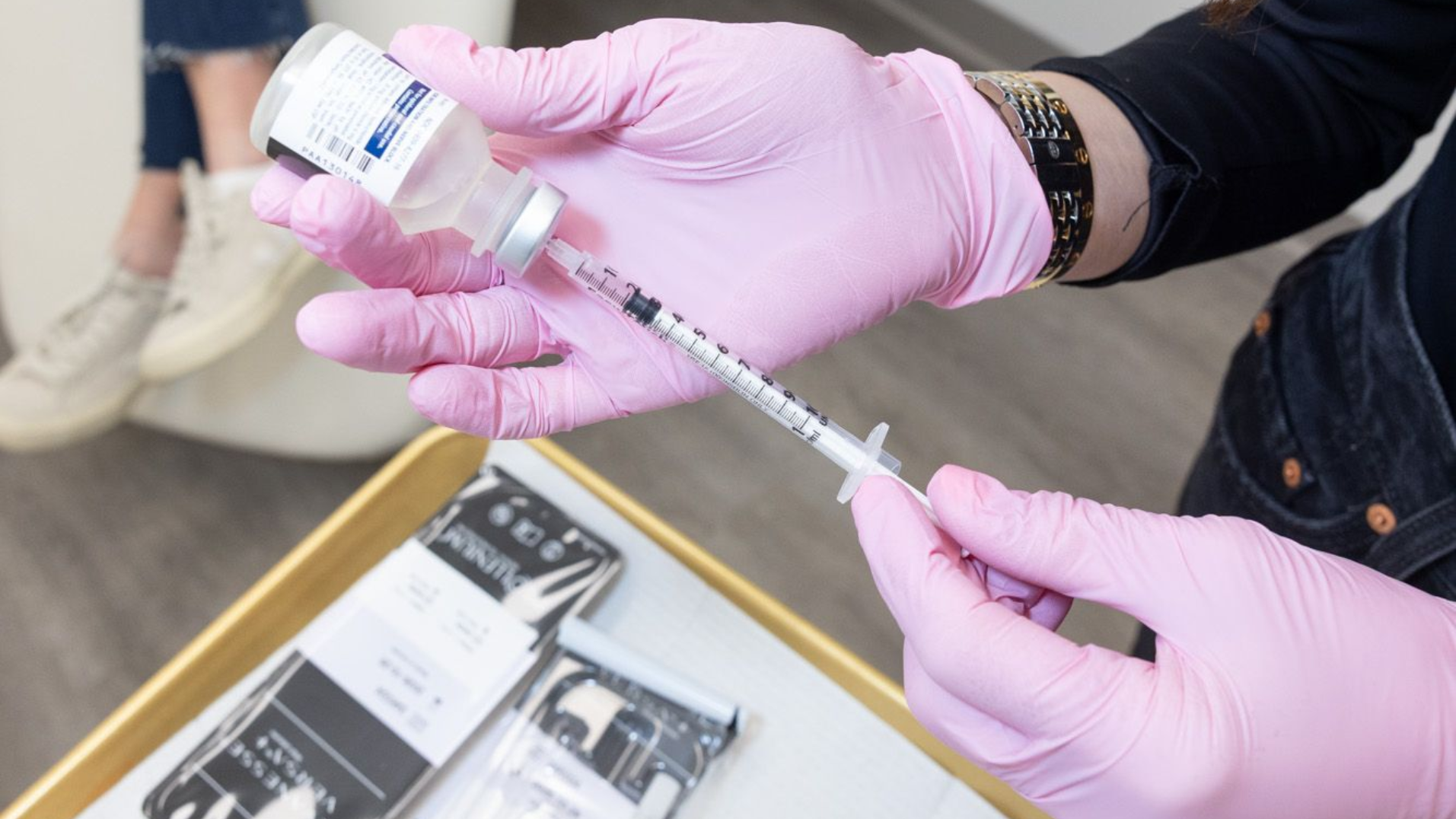
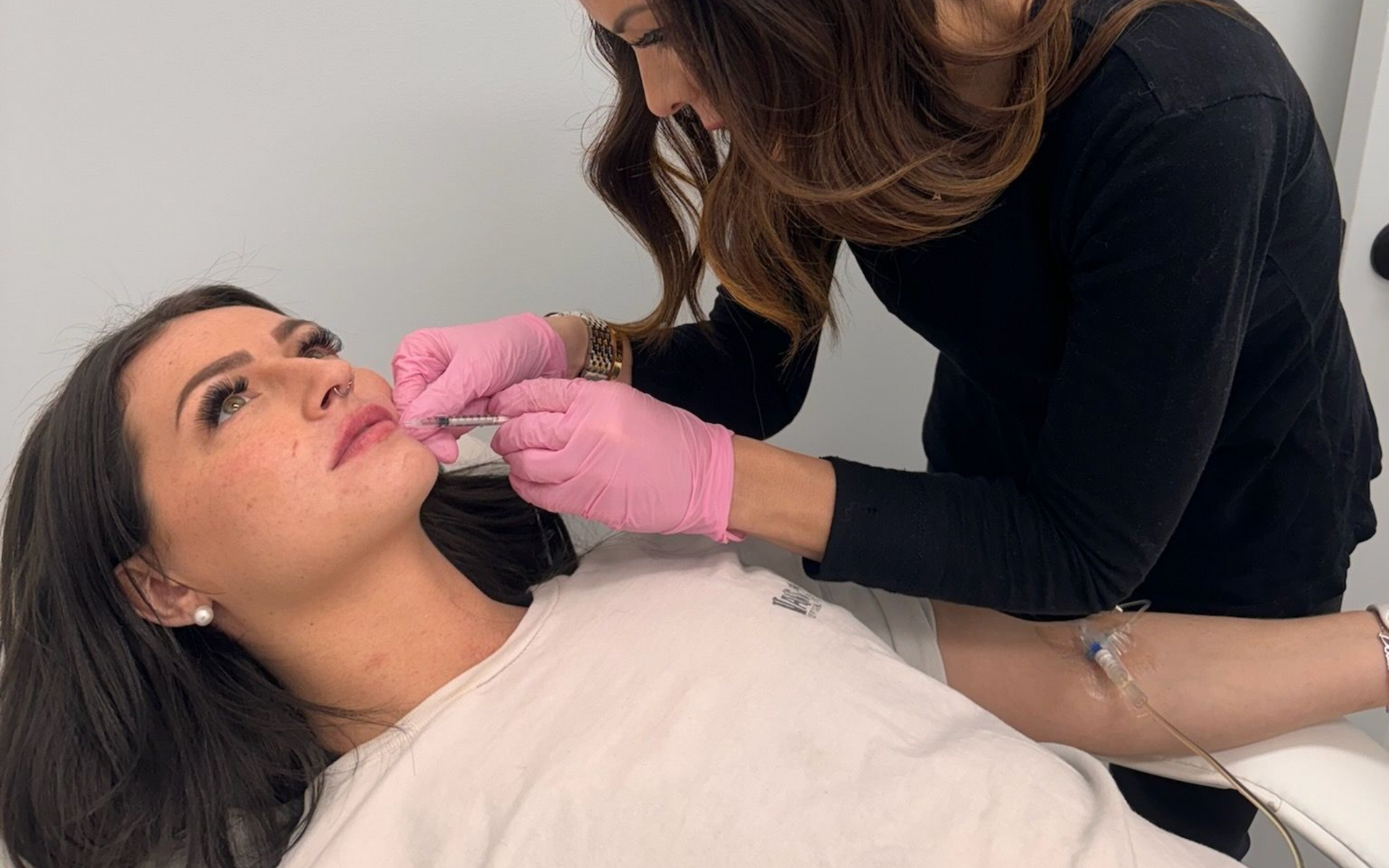
You Haven't Seen the Wrinkles Yet. That's Exactly the Point.
You take care of your skin. You look in the mirror and think: things look good. So why are people your age already talking about Botox?
Because the women who look genuinely ageless in their forties and fifties did not start thinking about their skin when the lines were already deep. They started earlier. Quietly. Consistently. And the results speak for themselves in the most understated possible way; you simply cannot tell they have had anything done.
Preventive Botox is not about chasing youth before you have lost it. It is about understanding how wrinkles actually form and making a strategic decision to stay ahead of a process that begins much earlier than most people realize.
This guide from our
CT expert Botox injectors will explain exactly how that works, what the research says, and whether it might be the right move for you.
CONTACT US
First, Understand How Wrinkles Actually Form
Before you can understand why early Botox makes strategic sense, you need to understand the biology behind the lines you are trying to prevent.
Facial wrinkles do not appear overnight. They are the cumulative result of two forces working together over time: repeated muscle contractions and the gradual loss of the structural proteins that keep skin resilient. Every time you smile, squint, frown, or furrow your brows, the muscles beneath your skin contract and fold the skin above them. In your teens and twenties, your skin snaps back perfectly because collagen and elastin keep it firm and elastic. But beginning in your mid-twenties, your skin loses approximately one percent of its collagen every year
(Reilly and Lozano, 2021). The snap-back slows. The folds deepen. And eventually, those temporary expression lines become permanent features.
This is the window that preventive Botox is designed to address. Not after the lines have set, but during the years when the habit of muscle contraction is being established, and the skin's resilience is beginning its long, gradual decline.
For a complete breakdown of how Botox works and what to expect from your treatment timeline, read our full guide here:
Read: Your Complete Botox Timeline →
What the Research Actually Says About Preventive Botox
The scientific conversation around preventive Botox is still developing, and good clinical guidance requires honesty about what the evidence shows and where the gaps remain.
Botox Blocks Nerve Signals To Reduce Contractions
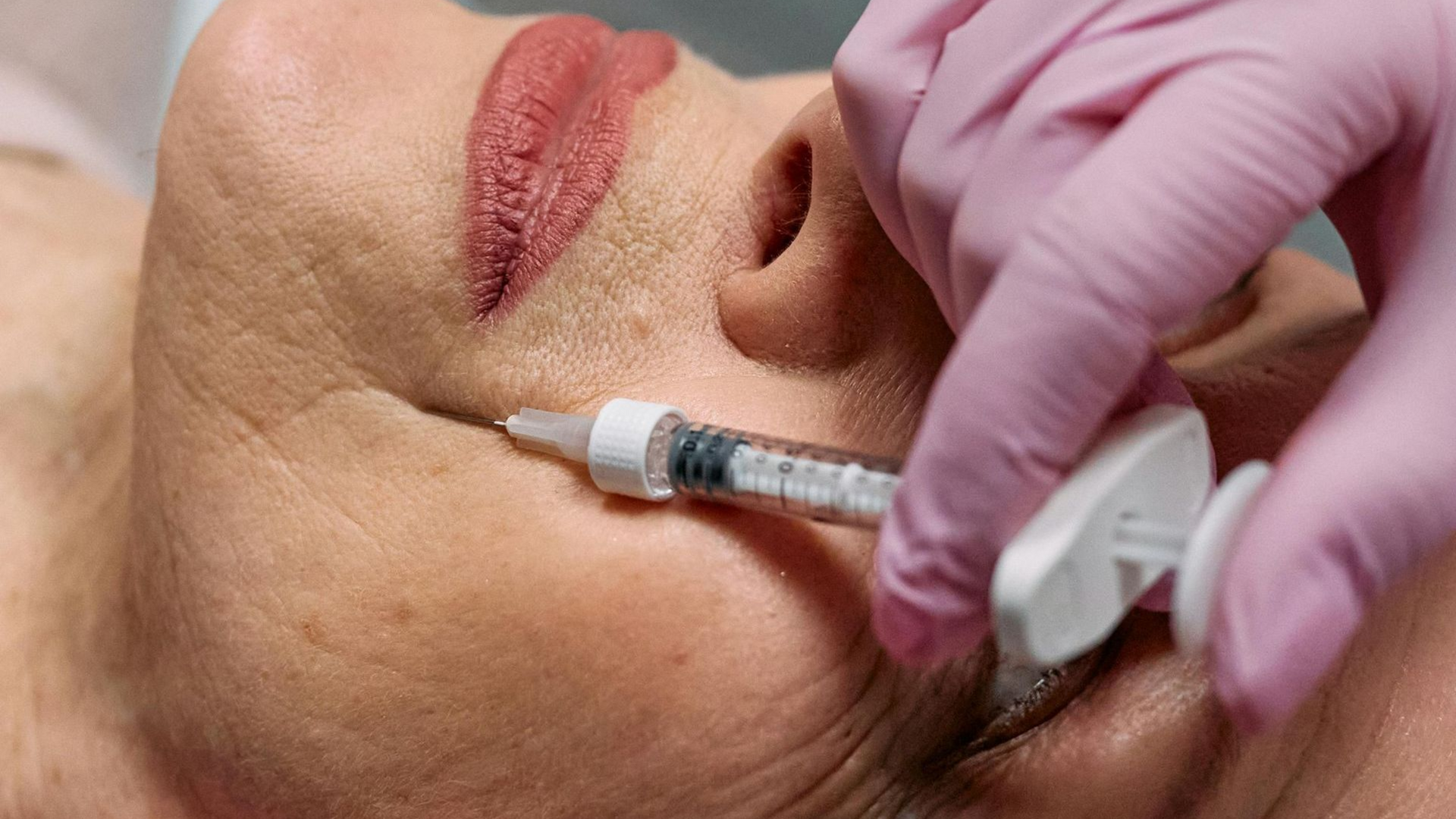
Here is what we know. Botulinum toxin type A works by blocking the nerve signals that tell facial muscles to contract. When those muscles are consistently relaxed over time, two meaningful things happen. First, the repeated folding of the skin that creates dynamic wrinkles is reduced, allowing the skin to recover and maintain its smoother baseline for longer. Second, clinical evidence suggests that patients who receive regular treatments over time may need less product as the years progress, because the muscles involved in expression gradually become less hyperactive.
The Research Behind Botulinum Toxin
More recent research has begun to explore the effects of botulinum toxin on skin quality beyond its neuromuscular action. Studies evaluating intradermal botulinum toxin injections have found improvements in skin hydration, elasticity, and roughness at twelve weeks post-treatment, with researchers suggesting that these effects may be driven by dermal collagen synthesis rather than muscle relaxation alone
(Zhu et al., 2017). The implications are significant: Botox may not just be slowing the formation of wrinkles by limiting movement. It may also be actively supporting the dermal environment that keeps skin looking healthy and firm.
A systematic review published in 2025 concluded that earlier intervention with botulinum toxin may delay the onset of visible aging signs by modulating muscular activity and preserving skin elasticity, while also noting that current evidence remains limited by heterogeneity in study designs and that high-quality longitudinal studies with standardized methodologies are still needed.
(Proactive Aesthetic Strategies, Muscles, 2025)
Who Is a Good Candidate for Preventive Botox?
Preventive Botox is not for everyone, and a responsible provider will tell you that clearly. The decision should be based on your individual anatomy, your skin's behavior, and your personal and family history, not on a trend you saw on social media.
People with Fine Lines Are Ideal For Preventative Botox
You may be a strong candidate if you notice faint expression lines forming in your mid-twenties or early thirties, particularly lines that are beginning to linger after your face returns to rest. When you can see those faint lines at rest, you are seeing a future wrinkle, and that is the ideal window for early intervention.
You may also be a good candidate if you have a family history of deep or early-onset wrinkles, if you are highly expressive in your facial movements, or if you have spent significant time in the sun without consistent protection.
Preventive Botox is generally considered appropriate beginning in the mid-to-late twenties. Starting significantly earlier, without visible early lines or a clear clinical rationale, is not supported by current evidence and may not be the most responsible use of the treatment.
SCHEDULE YOUR BOTOX APPOINTMENT
The Areas That Matter Most for Prevention
The most evidence-backed areas for preventive Botox treatment are the same regions where dynamic wrinkles first and most visibly form.
The
glabellar area, the vertical furrows between the brows, is often the first area to show the habitual muscle contraction that creates permanent lines. The
forehead, where horizontal lines form from repeated brow raising, is another early site. And the
crow's feet, the lines that form at the outer corners of the eyes from years of squinting and smiling, are among the most age-revealing features on the face.
Clinical data confirm that botulinum toxin shows excellent reproducibility of efficacy in the treatment of dynamic wrinkles across these areas, with results consistent between studies from the 1990s and more recent large-scale phase 3 trials, and with high patient satisfaction maintained at three to four months post-treatment.
Small Amount of Units of Botox Goes a Long Way
For preventive purposes, the dosing strategy tends to be conservative. The goal is not full immobilization but gentle, consistent relaxation of the muscles most responsible for repetitive folding. Less product, placed strategically, is the approach that keeps results looking natural and maintains the expressiveness that makes your face recognizably yours.
Main Habits to Adopt with your Preventive Botox Plan
Preventive Botox works best as part of a broader commitment to skin health, not as a standalone solution. The lifestyle factors that support your skin's collagen production and resilience matter enormously, and a thoughtful provider will tell you that too.
Consistent daily sunscreen use is one of the most evidence-backed interventions for preventing premature skin aging. Tobacco significantly impairs collagen production and accelerates the visible signs of aging. Adequate hydration, a targeted skincare regimen with proven active ingredients, and regular skin health consultations with a qualified provider all compound the benefits of any injectable treatment you choose to pursue.
The growing conversation around preventive aesthetics also raises important questions about patient education and responsible medical judgment, particularly for younger patients who may be influenced by social pressures or unrealistic beauty standards. The right provider will make sure you have realistic expectations, a clear understanding of what the treatment can and cannot do, and a plan that makes sense for your specific skin at your specific age.
Your Three-Step Plan to Getting Preventive Botox Right
Step 1: A Consultation That Starts With Your Skin, Not a Protocol
At
IV Lounge CT, every preventive Botox conversation begins with an honest assessment. We’ll review your facial anatomy, your expression patterns, your family history, and your skin condition before any treatment recommendation is made. If early intervention makes clinical sense for you, we will explain why. If it does not, we will tell you that too, and discuss what makes sense for where your skin is right now.
Board-certified and clinically trained, our ct expert Botox injectors bring a level of diagnostic precision to aesthetic medicine that is simply not common in this space. We do not treat trends. We treat people.
Step 2: A Conservative, Personalized Treatment Plan
If preventive Botox is the right fit, the approach is measured and intentional. Small amounts of product, placed in the right muscles, at the right intervals, to establish the kind of consistent relaxation that gives your skin its best long-term advantage. You will not look frozen. You will not look treated. You will simply look like yourself, consistently, over the years.
Step 3: A Long-Term Strategy That Grows With You
Preventive Botox is not a one-appointment decision. It is the beginning of a relationship with your skin and your provider. We will work with you over time to adjust your treatment plan as your skin evolves, ensuring that what you are doing at twenty-eight still makes sense at thirty-five and beyond. The goal is always the most natural, most sustainable version of your best face.
Ready to Think Long-Term About Your Skin? Let's Start the Conversation at IV Lounge CT.
The best time to start thinking about preventive Botox is before the lines are already there. If you are beginning to notice early expression lines, or if you simply want to understand whether early intervention makes sense for your specific face and history, a consultation with us is the right next step.
At
IV Lounge CT in South Windsor, you will get honest clinical guidance, a personalized assessment, and a plan built around your skin, not a template.
SCHEDULE YOUR BOTOX APPOINTMENT